What Is Lithium-Ion Recycling?
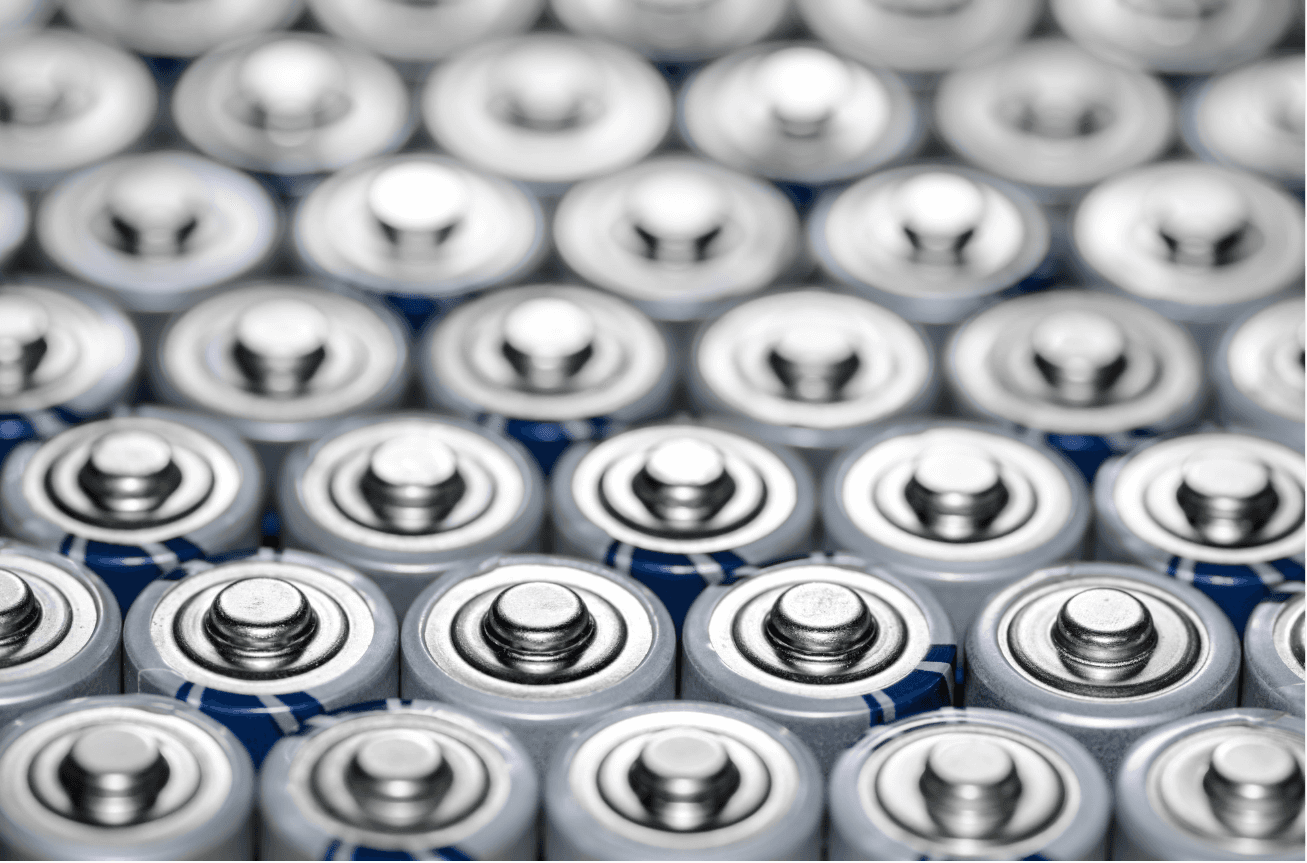
Every electric vehicle, every phone, every grid-scale battery storage unit runs on the same core component, a lithium-ion battery, and demand for all three keeps climbing. Europe now has around 42 gigafactories in operation, producing these batteries, with total capacity projected to grow by 45% by 2030 to keep pace. But that growing supply doesn't make the batteries themselves disappear. They wear out, get replaced, or fail on the production line before they ever reach a customer. All of that material has to go somewhere.
Manufacturing alone produces a significant amount of battery scrap, material that's rejected during quality control, trimmed offcuts, cells that don't meet spec, before a battery even leaves the factory. Based on our own conversations with manufacturers, scrap rates run well above published estimates, running as high as 40-50% during a factory's early ramp-up years, settling to around 10-20% once production is optimised. As gigafactories scale up, so does the volume of this waste. The question of what happens to it next isn't a future problem anymore. It's already here.
What's actually inside a battery
To understand why this matters, it helps to know what a battery is actually made of.
Inside every lithium-ion cell are two electrodes, a cathode and an anode. Each is a metal foil coated with an active material, the compound that actually stores and releases the battery's energy through repeated charging and discharging. The cathode contains lithium combined with other metals such as nickel, manganese, cobalt or iron. The anode is usually built around graphite.
These active materials are what make a battery a battery. Everything else, the casing, the wiring, the electrolyte, exists to support them.
Why these materials can't just be thrown away
Active materials aren't only valuable, they're finite. Global supply is concentrated in a small number of countries, and demand is climbing fast as the market for lithium-ion battery materials is projected to grow at close to 15% a year through 2030, with Europe forecast to grow even faster than the global average as local battery manufacturing scales up.
Throwing this material away, or letting it sit unrecovered, wastes something the battery industry can't easily replace. Simply put, these materials are too scarce and too valuable to lose.
How recycling works today
Battery recycling exists to recover value from this waste rather than lose it. At a high level, most approaches follow a similar process where batteries are broken down, materials are separated out, and something usable is produced at the other end.
But usable is doing a lot of work in that sentence. Different recycling methods stop at different points, and what comes out the other end is not always ready to go straight back into a new battery.
Why "recycled" doesn't always mean what people assume
This is where it gets interesting. Two processes can both be described as "battery recycling" and still produce very different outcomes, some further from a finished, battery-grade material than others.
That gap, between material that's been recovered and material that's actually ready to become a battery again, is bigger than most people realise. It's also where the real differences between recycling approaches show up.
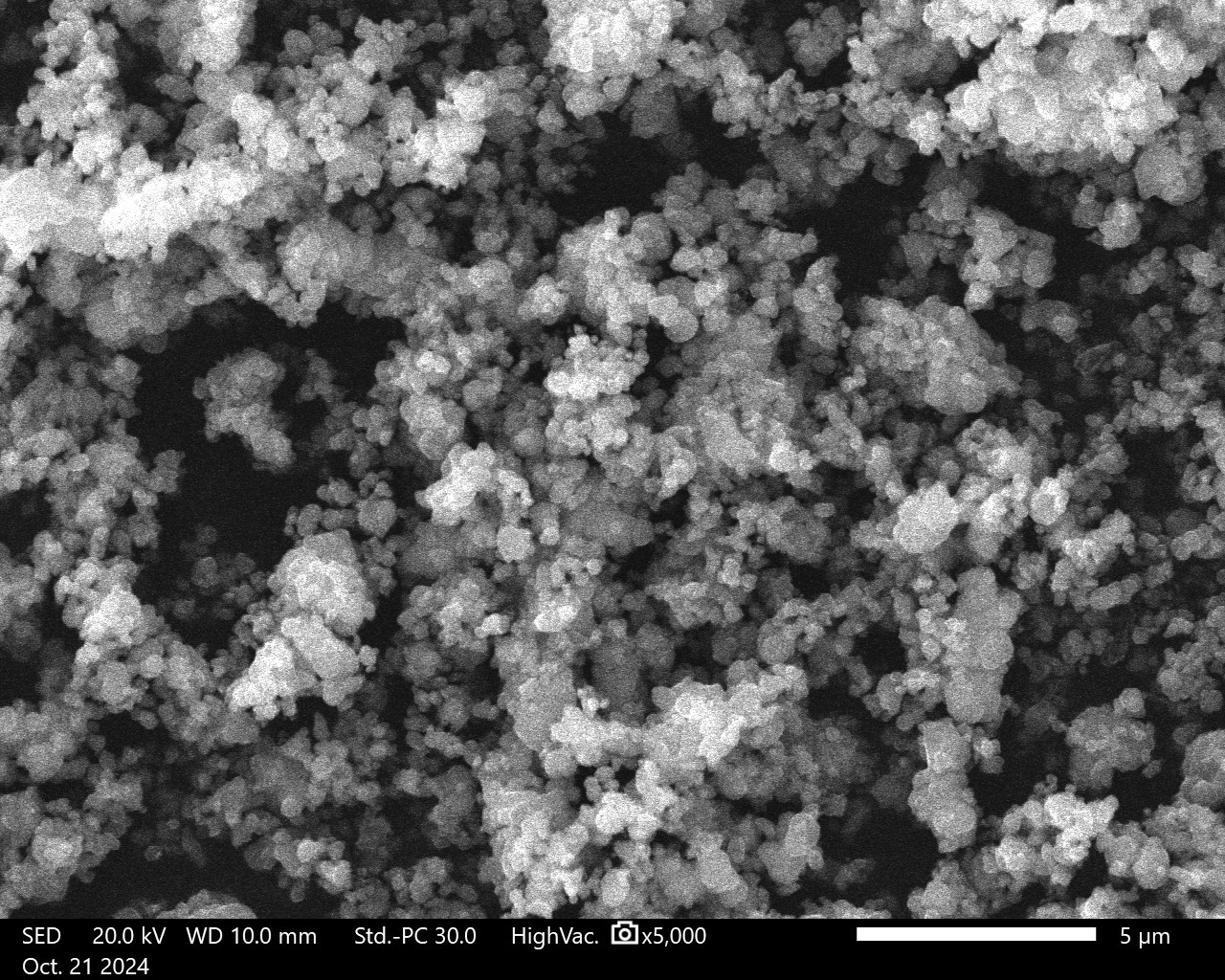
Right now, most recycled battery material in the UK and Europe follows a similar path, where batteries are broken down into black mass, an intermediate powder that is not yet battery-grade and still needs further processing before it can be used again. That processing largely happens outside Europe. The material leaves in an unfinished state, and if it comes back at all, it comes back as a finished ingredient someone else has already profited from refining.
Britain has done this before
That pattern isn't new. The UK has already lived through a version of this with steel.
UK steel production fell to just 4 million tonnes in 2024, the lowest output since the Great Depression, and 70% of the steel used in the country is now imported. Port Talbot's last blast furnace went cold in September 2024, ending over a century of primary steelmaking on the site. Its £1.25bn replacement, an electric arc furnace that runs on recycled scrap instead of raw ore, is still under construction, and won't be online until 2027.
For years, the UK has exported most of its steel scrap abroad, the very material its new furnace will need. Britain built the demand for recycled steel and let the supply leave. It's now building the furnace to use it, years after the industry needed it.
Batteries are on the same path today. The valuable, unfinished material is already leaving before it's ready, and the capacity to finish it here doesn't fully exist yet either. Steel shows what happens when that gap goes unaddressed for too long. It can take the better part of a decade to build a furnace, and the supply chain doesn't wait around for you to catch up.
The alternative approach
One way to close that gap between material that's been recovered and material that's actually ready to become a battery again is Direct Recycling, which recovers active materials without producing an intermediate byproduct that still needs further refining elsewhere. It skips the step that conventional methods rely on, and it happens to be the approach we've built our process around, recovering battery-grade material in Bethnal Green, London, ready to go straight back into local battery production.
What's next
That gap between recovered and ready is worth a closer look. We'll go there next.